
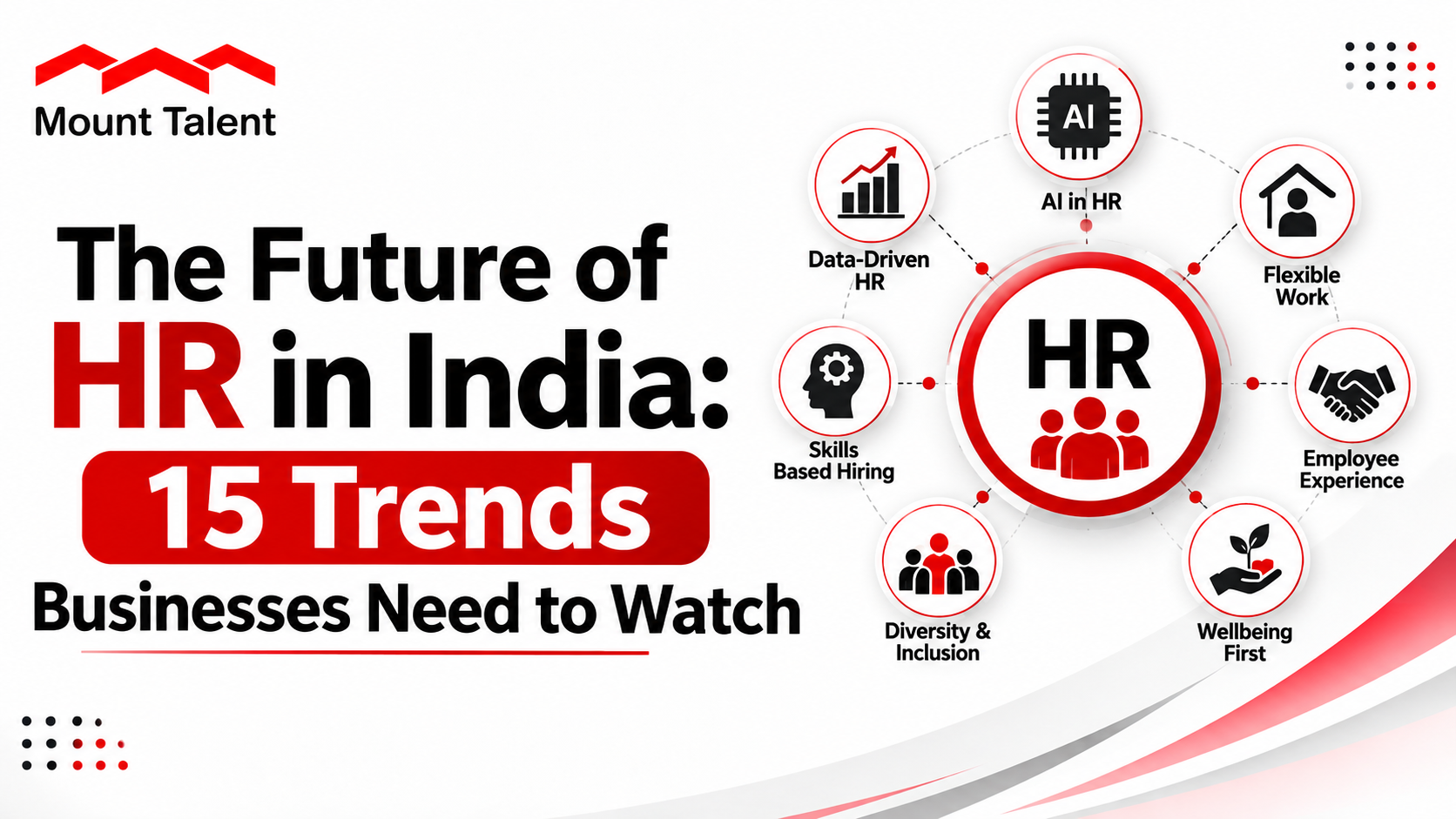
The Future of HR in India: 15 Trends Businesses Need to Watch
The Future of HR in India: 15 Trends Businesses Need to Watch
Not long ago, HR in most Indian companies meant paperwork: attendance, payroll, leave and the occasional appraisal. Today, HR is expected to hire faster, keep people happier, manage remote teams, use data and prepare the workforce for AI. That is a big shift in a short time.
If you run a business or lead an HR team, the question is no longer whether HR will change. It is whether you will be ready when it does. Companies that notice trends early get better talent, lower attrition and smoother operations.
In this guide, you will learn what the future of HR in India looks like and 15 trends you should keep an eye on, along with simple ways to prepare for each one.
Why the Future of HR in India Is Changing So Fast
Several forces are pushing change at the same time. India has a young workforce, with Gen Z entering offices in large numbers. Technology like AI and automation is spreading quickly. Hybrid work has become common, and employees now expect flexibility, growth and care for their mental health. On top of this, labour codes and compliance rules keep evolving.
What this means for businesses
HR is moving from an administrative function to a strategic partner. Leaders now expect HR to bring data, a clear people strategy and solutions for hiring, retention and productivity.
15 HR Trends Shaping the Future of Work in India
1. AI and automation in HR
AI tools now help screen resumes, answer employee queries through chatbots, schedule interviews and draft job descriptions. Automation handles repetitive work like payroll and leave tracking. The best approach is to let technology handle routine tasks while humans handle judgment, empathy and final decisions.
2. Hybrid and flexible work models
Hybrid work is settling in as a standard option for many office roles. HR teams now need clear policies, fair performance reviews for remote and office staff, and good communication habits. Companies that force rigid rules without a reason risk losing talent.
3. Skills-based hiring
Many employers are moving away from relying only on degrees and focusing on what a person can actually do. Skill assessments, portfolios and practical tasks are becoming more common. This opens doors for talented candidates from smaller towns and non-traditional backgrounds.
4. Upskilling and reskilling
Skills become outdated quickly. Smart companies invest in continuous learning through online courses, mentoring and job rotation. Training existing employees is often faster and cheaper than hiring new ones, and it improves retention too.
5. Employee experience as a priority
Employee experience covers the entire journey, from hiring to exit. Businesses are realising that a good experience improves productivity, customer service and employer brand. Expect more focus on onboarding, manager quality and daily workplace comfort.
6. Mental health and wellbeing support
Burnout and stress are being discussed more openly. Companies are adding counselling support, wellness programs, flexible leave and manager training on spotting stress. Wellbeing is no longer a perk. It is part of a responsible workplace.
7. HR analytics and data-driven decisions
HR teams are using data to understand attrition, hiring quality, engagement and pay gaps. Instead of guessing why people leave, they can see patterns and act early. Even small companies can start with simple spreadsheets and a few key metrics.
8. Gen Z becoming the workforce majority
Young employees want purpose, quick learning, honest feedback and flexibility. They research employers online and leave quickly when expectations are not met. Companies need to adjust management styles, communicate openly and offer visible growth paths.
9. The gig and freelance economy
More businesses are hiring freelancers and contract specialists for short projects in areas like design, content, technology and marketing. HR will need to manage a blended workforce of permanent employees and independent professionals, with clear contracts and fair treatment.
10. Diversity, equity and inclusion
Indian companies are paying more attention to gender balance, inclusion of people with disabilities, women returning after career breaks and fair opportunities across regions and languages. Inclusive workplaces often attract wider talent and build stronger teams.
11. Focus on retention over hiring
With competition for talent high, many companies are shifting energy from constant hiring to keeping good people. Stay interviews, career paths, fair pay reviews and recognition programs are becoming central to HR planning.
12. Stronger employer branding
Candidates read reviews, watch company videos and ask friends before applying. Businesses are sharing real employee stories on LinkedIn and Instagram. An honest, visible employer brand brings better applicants at lower cost.
13. Continuous feedback and performance management
Yearly appraisals are being replaced or supported by regular check-ins and quick feedback. Employees prefer short, honest conversations that help them improve throughout the year, not just once in twelve months.
14. Data privacy and compliance
HR handles sensitive information like salary, health and personal records. With India’s data protection rules and labour law updates, companies must handle employee data carefully, limit access and stay compliant. Good HR software with strong security becomes essential.
15. Ethical AI and the human touch
As AI use grows, so do questions about fairness and bias. Employers need to check that automated hiring tools do not unfairly reject candidates, and be transparent about how technology is used. The human touch in HR, like listening, empathy and judgment, will stay valuable.
How Businesses Can Prepare for the Future of HR
You don’t need to adopt every trend at once. A step-by-step approach is smarter.
Start with your biggest pain point
If attrition is high, focus on retention and employee experience first. If hiring is slow, look at skills-based hiring and recruitment automation.
Invest in your HR team’s skills
HR professionals now need comfort with data, technology and people strategy. Encourage them to learn analytics basics, HR software and modern people management.
Choose technology wisely
Pick tools that fit your size, support Indian compliance and are easy for employees to use. Start with payroll, attendance and leave, then expand.
Listen to your employees
Surveys, stay interviews and open conversations show what your people actually need. Trends are useful, but your own team’s feedback matters most.
Review and adjust regularly
Check what is working every quarter. The future of work keeps moving, so your HR approach should stay flexible.
Common Mistakes to Avoid
- Chasing every trend. Not every new idea suits your company. Choose what solves your real problems.
- Buying tools without a plan. Software without clear goals and training often goes unused.
- Ignoring frontline and non-office staff. Many trends focus on office roles, but factory, retail and field employees matter just as much.
- Replacing people with technology completely. Automation should support HR, not remove the human connection.
- Delaying change. Waiting until attrition is high or compliance is missed makes recovery harder.
Frequently Asked Questions
What is the future of HR in India?
The future of HR in India is more strategic, data-driven and technology-supported, with a strong focus on employee experience, skills, flexibility and wellbeing.
Will AI replace HR professionals?
No, AI will take over repetitive tasks like screening and queries, but HR professionals will still be needed for judgment, empathy, culture building and difficult people decisions.
How can small businesses prepare for upcoming HR trends?
Small businesses can start with simple steps like clear policies, basic HR software, regular employee feedback, and training programs that improve skills without heavy cost.
Conclusion
The future of HR in India is about people and technology working together. Businesses that listen to employees, build skills, use data wisely and stay flexible will be best placed to attract and keep strong talent. Start with the trends that match your needs and build step by step. If you are hiring HR professionals or looking for your next HR role, explore current openings on Rojgar.com, and read more on workplace and HR trends at SHRM.
The Future of HR in India: 15 Trends Businesses Need to Watch Not long ago, HR in most Indian companies…