
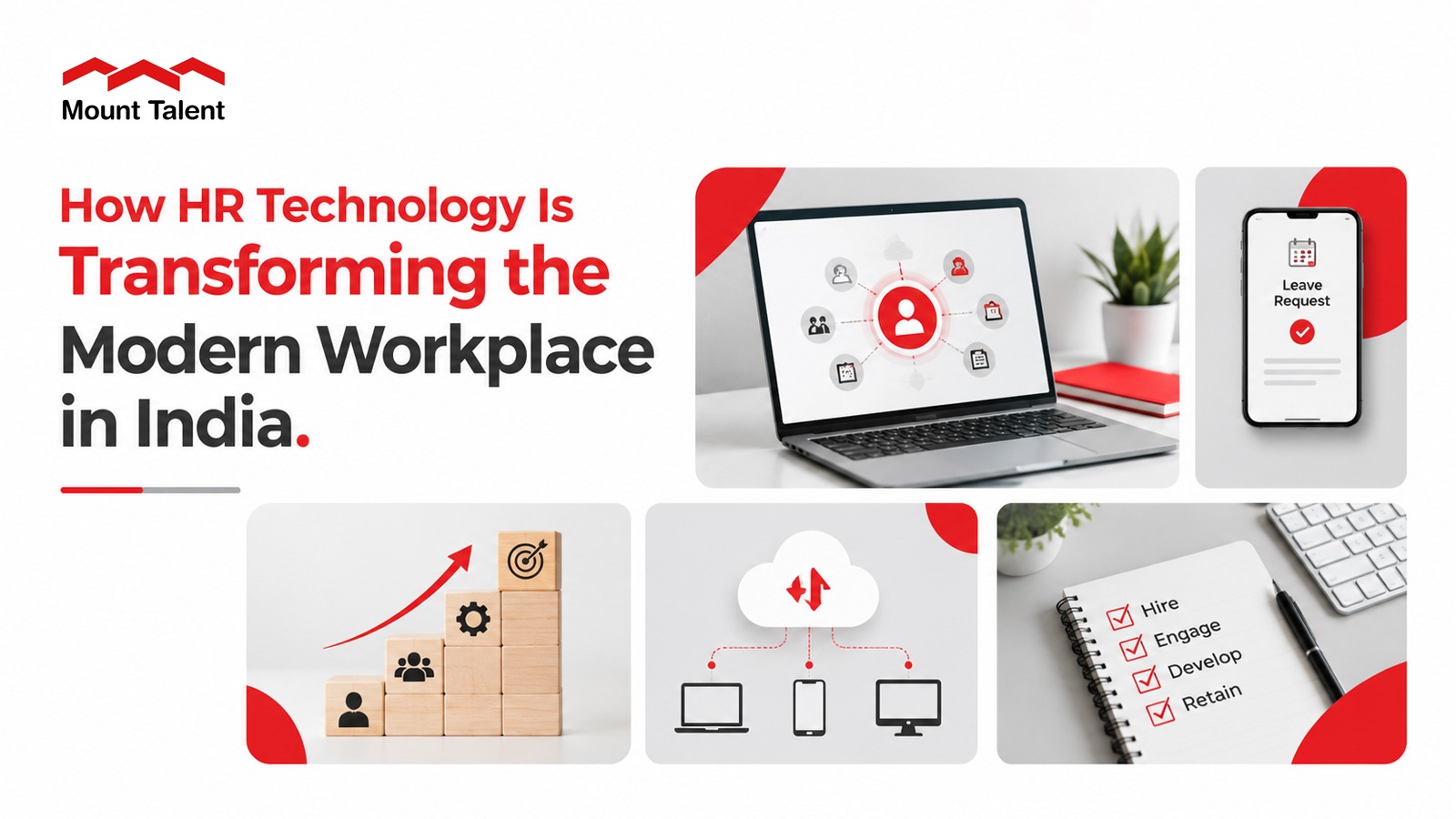
How HR Technology Is Transforming the Modern Workplace in India
How HR Technology Is Transforming the Modern Workplace in India
Not so long ago, an HR department in India meant filing cabinets, attendance registers, and long Excel sheets that only one person in the office truly understood. Today, a new joiner can accept an offer, upload documents, and complete onboarding from their phone before their first day. That shift didn’t happen by accident. HR technology has quietly changed how Indian companies hire, manage, and support their people.
If you’re an HR professional, a business owner, or simply curious about how workplaces are evolving, this guide will walk you through what HR technology really is, where it’s making the biggest difference, and how to adopt it sensibly without wasting money on tools your team won’t use.
What Is HR Technology?
HR technology, often called HR tech, refers to software and digital tools that help organizations manage people-related tasks. These range from simple attendance apps to full platforms that handle hiring, payroll, performance, and employee engagement in one place.
Common Types of HR Tools
- Applicant tracking systems (ATS): Manage job postings, applications, and candidate pipelines
- Human resource management systems (HRMS): Store employee records, leave, attendance, and payroll data
- Learning management systems (LMS): Deliver and track employee training
- Performance management tools: Support goal setting, feedback, and reviews
- Employee engagement platforms: Collect pulse surveys, recognition, and feedback
Why Adoption Is Growing in India
India’s workforce is large, young, and increasingly mobile. As companies grow across multiple cities and adopt hybrid work, paper-based and manual processes simply can’t keep up. Cloud-based tools have also become far more affordable, which means even small and mid-sized businesses can now use features that were once limited to large enterprises.
How HR Technology Is Changing Recruitment
Hiring is one of the areas where technology has made the most visible difference.
Faster Screening and Shortlisting
An ATS can sort through hundreds of applications in minutes, flagging candidates who match the required skills and experience. Recruiters no longer need to open every resume manually, which shortens the time it takes to reach the interview stage.
Better Candidate Experience
Automated status updates, online scheduling, and mobile-friendly application forms keep candidates informed. Since silence after an interview is one of the biggest complaints from job seekers, even basic automation can improve how your company is perceived.
Wider Talent Reach
Online job platforms, video interviews, and virtual assessments allow companies to hire from smaller cities without asking candidates to travel. This has opened doors for talented people outside the major metros and given employers a much larger pool to choose from.
Smarter Onboarding and Employee Management
The first few weeks shape how long a new employee stays, and technology can make that period smoother.
Digital Onboarding
New hires can complete paperwork, sign documents electronically, and access training modules before day one. This reduces administrative delays and helps people feel prepared rather than lost on their first morning.
Centralized Employee Records
An HRMS keeps attendance, leave balances, and documents in a single, secure system. Employees can check their own information through self-service portals, which cuts down on repetitive questions to the HR team.
Payroll and Compliance Automation
Payroll in India involves multiple statutory elements such as provident fund, ESI, professional tax, and TDS. Automated payroll software calculates these accurately and generates reports, lowering the risk of costly errors and missed deadlines.
Improving Employee Engagement and Performance
Technology isn’t only about administration. It also helps companies listen to and support their people.
Continuous Feedback Tools
Instead of waiting for an annual review, managers and employees can exchange short, regular feedback through performance tools. This helps issues surface earlier and gives people a clearer sense of how they are doing.
Learning and Upskilling Platforms
Online learning platforms allow employees to build new skills at their own pace. Companies that offer such access often see better retention, since employees feel the organization is investing in their growth.
Pulse Surveys and Sentiment Tracking
Short, anonymous surveys help leaders understand morale, workload, and satisfaction without waiting for resignations to reveal problems. The key is acting on the feedback, since employees quickly lose trust in surveys that lead nowhere.
The Role of Data and Analytics
HR technology generates a lot of information, and using it well can improve decision-making.
Metrics Worth Tracking
- Time-to-hire and cost-per-hire
- Employee turnover and early attrition
- Absenteeism trends
- Training completion and engagement scores
Turning Data Into Action
Analytics can show where hiring slows down, which departments face higher attrition, or which sourcing channels deliver strong candidates. Rather than relying on assumptions, HR leaders can use evidence to support their requests for budget and policy changes.
Challenges of Adopting HR Technology in India
Adopting new tools isn’t always smooth, and it helps to know the common obstacles in advance.
Resistance to Change
Employees and managers used to old methods may avoid new systems. Clear communication, short training sessions, and visible support from leadership make a real difference.
Data Security and Privacy Concerns
HR systems hold sensitive personal and financial information. Choose vendors with strong security practices and make sure your company follows applicable data protection requirements.
Choosing Tools That Don’t Fit
Buying a feature-heavy platform that doesn’t match your needs wastes money. Start by listing your biggest pain points, such as slow hiring or payroll mistakes, and pick tools that solve those first.
Budget Limitations
Smaller businesses can begin with affordable cloud-based HRMS or ATS options and add more features as they grow, rather than investing in a large system all at once.
How to Choose the Right HR Technology
Questions to Ask Before You Buy
- Does it solve a real problem we face today?
- Is it easy enough for employees and managers to use without heavy training?
- Does it handle Indian payroll and statutory compliance properly?
- Can it integrate with the tools we already use?
- What support and data security does the vendor offer?
Start Small and Build Gradually
Pilot one tool with a small group, gather feedback, and refine before rolling it out company-wide. This approach reduces risk and builds confidence among users.
Frequently Asked Questions
What is HR technology in simple words? HR technology is software and digital tools that help companies manage hiring, payroll, attendance, training, and employee engagement more efficiently than manual methods.
Is HR technology suitable for small businesses in India? Yes, many affordable cloud-based HR tools are designed for small businesses, allowing them to automate payroll, attendance, and hiring without investing in large, expensive systems.
Will HR technology replace HR professionals? No, HR technology handles repetitive administrative tasks, while HR professionals remain essential for decisions, employee relationships, culture building, and handling sensitive situations that need human judgment.
Conclusion
HR technology is reshaping the Indian workplace by making hiring faster, onboarding smoother, and people management more transparent, and companies that adopt the right tools thoughtfully will be better placed to attract and keep strong talent. For more HR insights and the latest job opportunities across India, visit Rojgar.com and explore related reads on HR trends, and for further industry perspective, check trusted external resources like SHRM India and NASSCOM on HR technology and workplace transformation.
How HR Technology Is Transforming the Modern Workplace in India Not so long ago, an HR department in India meant…