
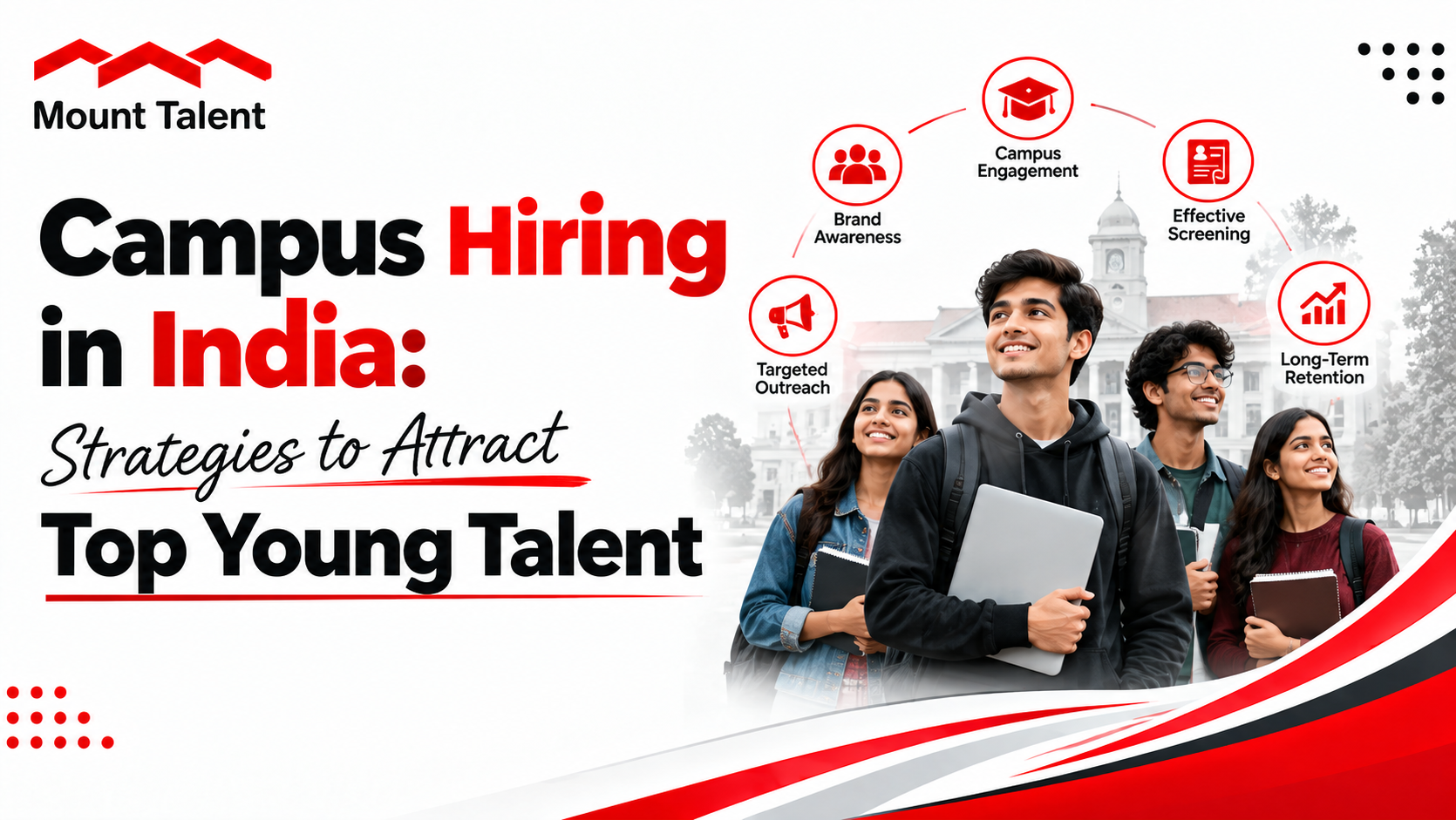
Campus Hiring in India: Strategies to Attract Top Young Talent
Campus Hiring in India: Strategies to Attract Top Young Talent
Every hiring season, thousands of Indian companies descend on college campuses hoping to lock in the best young talent before competitors get there first. But campus hiring today looks very different from a decade ago. Students are more informed, more selective, and juggling multiple offers earlier in the process, which means companies relying on outdated campus recruitment tactics are increasingly losing out to more strategic competitors.
This guide breaks down what actually works in campus hiring in India right now. You’ll learn how to build a compelling campus presence, structure your recruitment process to move fast without cutting corners, and create an experience that makes top students choose you over other companies competing for the same talent pool.
Why Campus Hiring Strategy Matters More Than Ever
Campus hiring used to be a relatively straightforward numbers game — show up, present the company, collect resumes, and make offers. That approach no longer works in a market where students research companies extensively before even attending a campus presentation.
The Changing Expectations of Campus Candidates
Today’s students actively compare employer brands, check salary transparency, and ask pointed questions about growth opportunities and work culture during campus interactions. Companies that treat campus hiring as a formality rather than a genuine recruitment strategy often struggle to secure top-performing students.
Why Getting This Right Pays Off
Fresh graduates hired through strong campus programs often become long-term employees who grow into leadership roles, having been shaped by company culture from the very start of their careers. A well-executed campus hiring strategy isn’t just about filling entry-level roles quickly — it’s an investment in future organizational talent.
Building a Strong Employer Brand on Campus
Before a single interview happens, students are already forming opinions about your company based on your campus presence and online reputation.
Pre-Campus Engagement Activities
- Host webinars, workshops, or guest lectures on campus well before the formal hiring season begins
- Sponsor relevant student events, hackathons, or case competitions related to your industry
- Maintain an active, authentic presence on platforms like LinkedIn and Instagram where students spend time researching employers
Showcasing Real Employee Stories
Students respond far more strongly to genuine stories from young employees who joined recently than to polished corporate messaging. Featuring recent hires talking about their actual day-to-day work and growth experience builds far more credibility than generic brand promises.
Structuring an Effective Campus Recruitment Process
A disorganized or overly lengthy campus hiring process is one of the fastest ways to lose top candidates to competitors moving faster.
Streamlining the Selection Process
- Combine aptitude tests, group discussions, and interviews into a single, well-organized campus day wherever possible
- Avoid excessive interview rounds that extend decision timelines unnecessarily
- Communicate clear timelines to candidates so they know exactly when to expect results
Training Campus Recruitment Teams
The recruiters and employees representing your company on campus directly shape how students perceive your organization. Investing in training for your campus team, covering both interview techniques and how to represent company culture authentically, pays significant dividends.
Offering Competitive and Transparent Compensation
Salary transparency has become a major deciding factor for campus candidates, many of whom compare offers openly with peers before making decisions.
Benchmarking Fresher Compensation
Regularly review compensation packages against what competing companies in your industry are offering to comparable colleges and programs, since even small gaps can influence a student’s final decision between multiple offers.
Beyond Base Salary
Highlight the complete package clearly, including learning and development budgets, mentorship programs, health benefits, and clear promotion timelines. Many students weigh long-term growth potential just as heavily as starting salary figures.
Creating a Strong Onboarding and Development Pathway
Winning campus offers is only the first step; how you support new hires in their first year significantly affects retention and your reputation for future hiring seasons.
Structured Training Programs
Fresh graduates often need a well-designed induction period covering technical skills, company processes, and soft skills development before being placed fully into their roles. A structured, multi-week onboarding program signals genuine investment in their success.
Mentorship and Career Pathing
Pairing new hires with experienced mentors and clearly outlining potential career paths within the organization helps young employees feel supported and reduces early attrition, which in turn strengthens your employer reputation on the very campuses you recruit from.
Expanding Beyond Traditional Premier Institutions
While IITs, IIMs, and other premier institutions remain popular hiring grounds, many companies are now expanding campus hiring efforts to tier-2 and tier-3 colleges to access a broader, often less competitive, talent pool.
Benefits of Expanding Campus Reach
Students from regional colleges are often highly motivated, less likely to receive competing offers from multiple large companies simultaneously, and frequently deliver strong performance when given genuine opportunities and support.
Practical Steps for Expansion
- Partner with placement cells at regional colleges to establish long-term recruitment relationships
- Adjust assessment criteria to focus on practical skills and potential rather than institutional prestige alone
- Offer virtual campus interactions to efficiently reach colleges outside major metro areas
Frequently Asked Questions
What makes campus hiring successful in India? Successful campus hiring combines strong employer branding, a streamlined selection process, competitive and transparent compensation, and genuine post-hiring support that turns fresh graduates into long-term, engaged employees.
How can companies compete with larger brands during campus hiring? Smaller companies can compete by offering faster decision timelines, more personalized candidate interactions, clear growth stories, and genuine mentorship opportunities that larger, more bureaucratic organizations often struggle to match.
Should companies hire from tier-2 and tier-3 colleges? Yes, expanding campus hiring to tier-2 and tier-3 colleges provides access to motivated, often overlooked talent, reduces competition for offers, and can deliver strong long-term employee performance when paired with proper training support.
Conclusion
Campus hiring in India has evolved into a genuine strategic competition for young talent, and companies that invest in authentic employer branding, efficient processes, transparent compensation, and real post-hiring support will consistently attract and retain the best graduates each season. For more recruitment strategies and the latest job opportunities across India, visit Rojgar.com and explore related reads on hiring trends, and for further industry perspective, check trusted external resources like LinkedIn Talent Solutions and NASSCOM on campus recruitment and workforce development.
Campus Hiring in India: Strategies to Attract Top Young Talent Every hiring season, thousands of Indian companies descend on college…